Do you have the February Winter Homeschool Blahs? -Who Doesn’t!

Most of us experience the mid-winter doldrums about this time every year. We find ourselves feeling uninspired or bored with our daily routine, and have a nagging sense that what we are doing isn’t working. 


This is when we begin to doubt ourselves, our curriculum, our kids, and our choices. While this is totally normal, there are some things that you should know about the Homeschooling February Blahs! 


First of all, don’t quit, don’t give up, and don’t toss out everything you have been doing! And don’t toss out your curriculum or buy a new one. Many of us have an impulse when homeschooling gets hum-drum to blame the curriculum and begin hunting for the latest new something to fix the blahs. News flash – the problem is NOT your curriculum (most likely). 


It’s just February! It gets dark early, it’s cold all the time, the holidays are gone, and Spring is honestly going to take a while to really get here no matter what that presumptuous marmot has to say about it. Now we get to add to this annual blah, our current dilemma of Covid safety and the lack of many socializing options. 


If a new curriculum isn’t going to fix the blahs, then how do we make it until Spring without wanting to quit homeschooling or feel like we are failing our kids? How in the world do we light a spark for ourselves and our kids in this homeschooling darkness?


You start with you, the parent! Often we don’t like to acknowledge it, but the homeschooling parent is the one who sets the mood for the day’s learning. Start by doing things for you! Self-care is such a common term easily tossed around these days, but I want to talk about self-care specifically for the homeschooling parent. It is not about long peaceful baths, doing something special for yourself that you never get to do, perfectly filled out pretty homeschool planners, or even a magical self-cleaning house (oh don’t we all wish we had one of those)! 


Self-care for the homeschooling parent is about engaging yourself in the experience of the love of learning. Do you have something that you get excited to learn about? Something you don’t have to learn only to then teach to the kids? Modeling a love of learning is so important and can only be done when you actually are excited and love learning about something. 


So pick something new for you to learn! A new craft or skill, a moment in history, read some current science articles, take an art class, join a book club, take on a project to do something you have never done before. Let your kids see you learning, trying, failing, trying again and making progress. Then share your excitement and challenges about it with them at dinner time. 


The second important and often looked over form of self-care for the homeschooling parent is professional development. In our professional careers we go to conferences, read industry magazines, stay up to date on new trends and jargon, make an effort to continuously grow and get better at our chosen career path. Why would the work of homeschooling our kids be different? We still need to learn new ideas on how to handle the challenges, get validation that we are doing things correctly, digest inspirational success stories to push us along on the hard days, and be inspired to ignite our own creativity so that we can bring our best selves to the kitchen table.


So find great books about homeschooling, listen to podcasts, attend homeschooling conferences, join homeschooling support and discussion groups, read blogs, take classes that feed your brain and inspire your teaching. Validate your commitment to your child’s/children’s education and love of learning. 


Do things that will add a spark of joy to your experience as a homeschooling parent. Embrace the love of learning for yourself and invest in your development as a homeschooling parent. This is how you and your kids get through the February blahs.


By Amanda Campbell


Share Article

Discover More
By Melissa Robb February 12, 2026
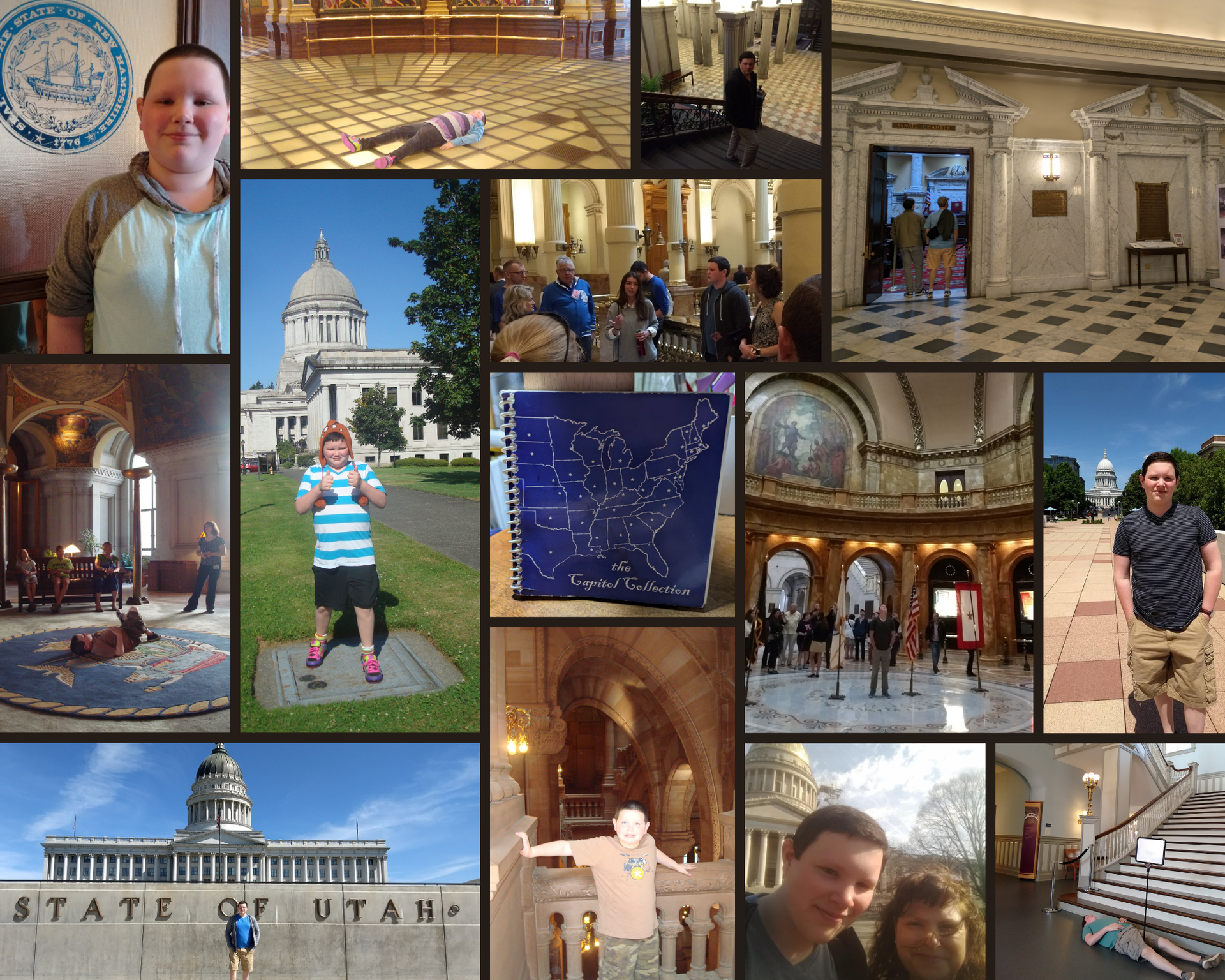
Some of the best learning my family has done didn’t happen sitting at the kitchen table. It happened walking through old buildings, asking questions, and seeing things with our own eyes. State capitol buildings are among our favorite stops, we learn so much about a state by visiting these unique and beautiful buildings. If your family likes to travel—or even just take day trips— The Capitol Collection is a wonderful way to turn those outings into something meaningful and memorable. It is a souvenir passbook ($15) that helps families keep track of visits to state capitol buildings. Each visit becomes more than just a stop along the way—it becomes part of your family’s story. Turning Trips Into Adventures Kids love having a purpose, and visiting capitols gives them one. Instead of just passing through a city, they’re exploring, noticing details, and looking forward to marking another visit in their book. Over time, those pages fill up with memories, and the learning happens naturally along the way. It doesn’t feel like “doing school”—it just feels like life. That’s one of the things I’ve always loved about homeschooling. Learning doesn’t have to be complicated to be meaningful. Our Family’s Story This means a lot to me because of our own experience. Our family has visited 22 state capitols so far. Our first recorded visit was Pierre, South Dakota in 2009 when my son was 10 years old , and at first it was just something fun to do while we traveled. I never imagined how much it would shape him. One of my favorite memories is a tradition he started. Whenever a capitol had a rotunda, he would lie down on the floor and just look up at the dome. He would study the paintings, the shapes, the light—just taking it all in and thinking what that epic element represented. Those quiet moments often turned into some of our best conversations later. At the Oregon state house we were even able to go up INTO the dome, what a climb! Over the years, those visits led to many talks about history, government, and how laws are made. The experience stayed with him so strongly that he even wrote about it in his law school application essay . Visiting state capitols has expanded to exploring government building internationally such as the Reichstag in Germany and Canada’s Parliament in Ottawa. As a parent, it’s an amazing thing to see something that started as a simple family outing become part of your child’s future. Most recently, we visited Maryland’s capitol during a trip to Annapolis. My son is a young man now and living on his own, but when we travel together, this is still something we do. That’s what makes experiences like this so special—they grow with your children. Why Capitol Buildings Are Such Powerful Learning Spaces State capitol buildings offer a unique blend of subjects all in one place: Civics and government come to life when children see legislative chambers and learn how decisions are made. Local history becomes tangible through exhibits, memorials, and stories tied to each state. Art and architecture surround you, often reflecting the values and culture of the region. Critical thinking and curiosity grow naturally as kids ask questions and make connections. Best of all, these lessons don’t feel forced. They happen through exploration and conversation—often led by the child’s own interests. A Journey Worth Remembering Looking back, I’m so thankful we took the time to stop, explore, and learn together. Those capitol visits weren’t just educational—they were time spent together, sharing discoveries and building memories we still talk about years later. Whether your family visits one capitol or dreams of all fifty, the important part isn’t the number. It’s the time spent learning side by side. (There is a Facebook group for this hobby. It’s small but would be a great way for families to share their experiences!)
By Melissa Robb January 6, 2026
Online and Local Resources for Trade School Exploration
By Alyssa Crowder November 17, 2025
"Thoughts about Tech in Homeschooling"
November 3, 2025
Book Review by ENRICHri's Marcia Sirois
By Alyssa Crowder August 28, 2025
How to Decide What to Study in High School
By Alyssa Crowder August 12, 2025
All About Homeschooling High School
By Alyssa Crowder August 12, 2025
AI for Middle Schoolers, High Schoolers and Adults
By Alyssa Crowder August 5, 2025
What is it and Does it Matter?
By Alyssa Crowder July 29, 2025
Am I Doing Enough? Advice from the Experts
By Alyssa Crowder July 22, 2025
What to Track and Keep
By Alyssa Crowder July 14, 2025
Go Beyond Just Checking Out Books
By Alyssa Crowder July 7, 2025
What You Need to Know About Dual Enrollment
By Alyssa Crowder June 30, 2025
Using StoryMaps to Answer Questions
By Alyssa Crowder June 23, 2025
Planning for Letters of Recommendation
By Alyssa Crowder June 16, 2025
Crafting Course Descriptions
By Alyssa Crowder May 21, 2025
Resources to Help Librarians Understand, Connect with and Support the Homeschoolers in Their Communities
By Alyssa Crowder April 6, 2025
Join with ENRICHri to fight for library funding!
By Melissa Robb February 21, 2025
What's in Your Control?
By Alyssa Crowder January 30, 2025
From Gummy Bears to Good Friends...
By Alyssa Crowder January 23, 2025
Finding your way back to a joyful homeschool
By Alyssa Crowder January 17, 2025
How do you navigate the role of parent and educator?
By Alyssa Crowder January 15, 2025
A Comprehensive List of Resources for the High School Years
By Melissa Robb December 20, 2024
The Real Experience Behind Truancy
By Alyssa Crowder October 30, 2024
A Joyful Addition to Stressful Days
October 12, 2024
You Can Homeschool on a Tiny or Non-Existent Budget
By Melissa Robb September 17, 2024
Resources for Studying Rhode Island History
By Alyssa Crowder September 12, 2024
Resources for Current Events
August 29, 2024
A box overflowing with paperwork, artwork, certificates, and other childhood keepsakes.
By Alyssa Crowder August 26, 2024
Resources about Elections and Voting for All Ages
By Alyssa Crowder August 19, 2024
Two Resources for Teaching Statistics
Show More